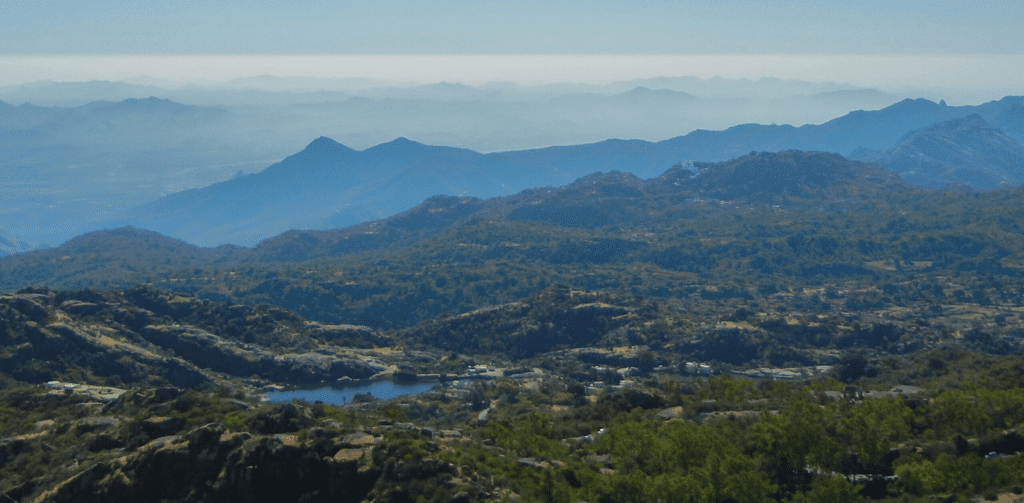

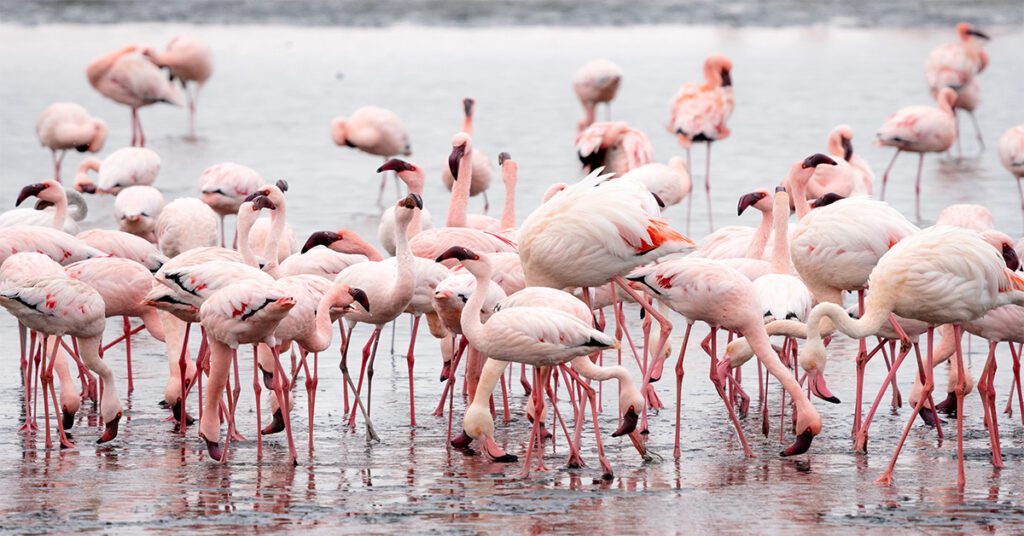
In Rajasthan, India, lies Sambhar Lake, a renowned destination for spotting pink flamingos. It is a spot where you can feel at peace and close to nature, not just a lake. Standing beside the lake helps you to relax, with the tranquil waters and peaceful surroundings enhancing the experience. The finest thing, though, is when the pink flamingos at Sambhar Lake, Rajasthan, arrive, transforming the landscape into a magnificent, picture-perfect scene.
Why are pink flamingos pink?
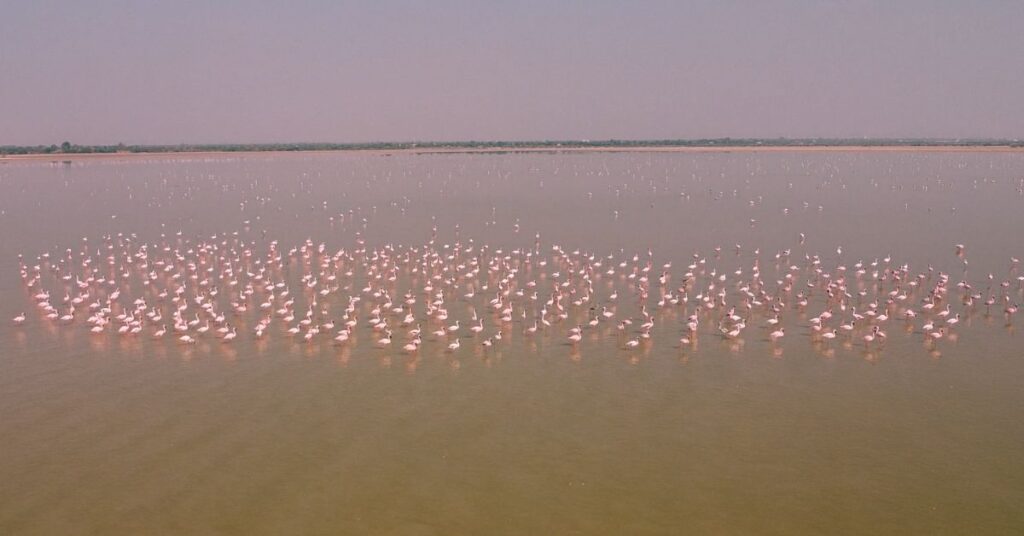
Flamingos are not born pink. Their pink hue results from their diet. They enjoy munching on algae and small animals known as crustaceans. One particularly unique pigment found in these foods is carotenoid. Their feathers turn pink when flamingos consume them. Their pink hue gives them quite a unique appeal.
Why does Sambhar Lake appeal to flamingos?
Every winter, Sambhar Lake hosts flamingos. They enjoy this lake for a few of reasons.
- A lot of Food: Tiny organisms and algae abound in the lake’s saltwater. For the flamingo diet, these are ideal foods. Here, they are free to eat as much as they desire.
- Sambhar Lake is large and peaceful: It provides flamingos with a protected area for relaxation and baby care. There are no threats here to cause concern.
- Good Weather: The lake’s temperature in winter is moderate and pleasant. In their native areas of Siberia, the Himalayas, and Central Asia, flamingos can flee the frigidity.
The Long Migration of Pink Flamingos to Sambhar Lake
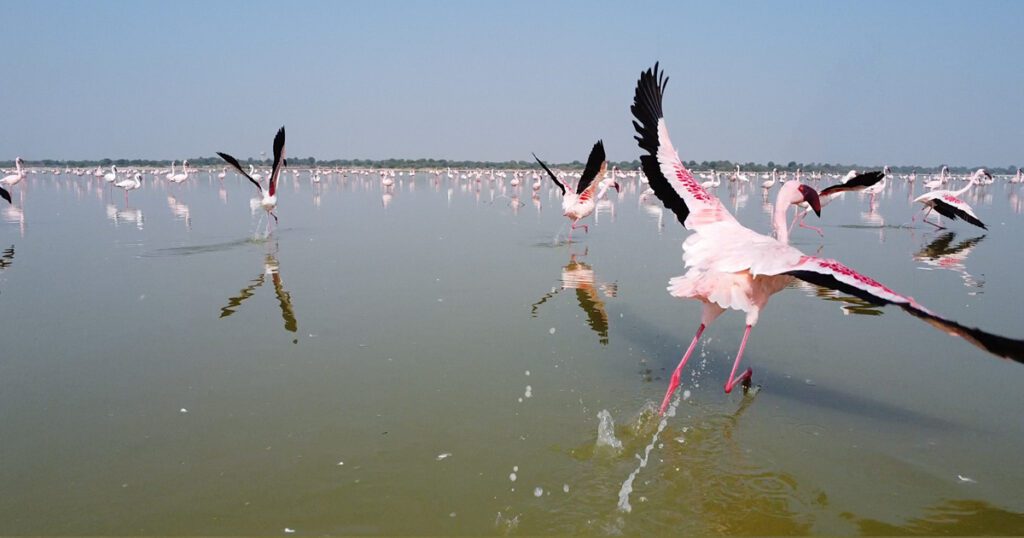
Many flamingos fly to Sambhar Lake annually, from November to February. From far-off locations, they search for food and protection over a great distance. The water comes alive when they get here. Moving in groups, the flamingos hunt food in the water, engage in play with one another, and perform their unique dances. These dances enable their search for a mate.
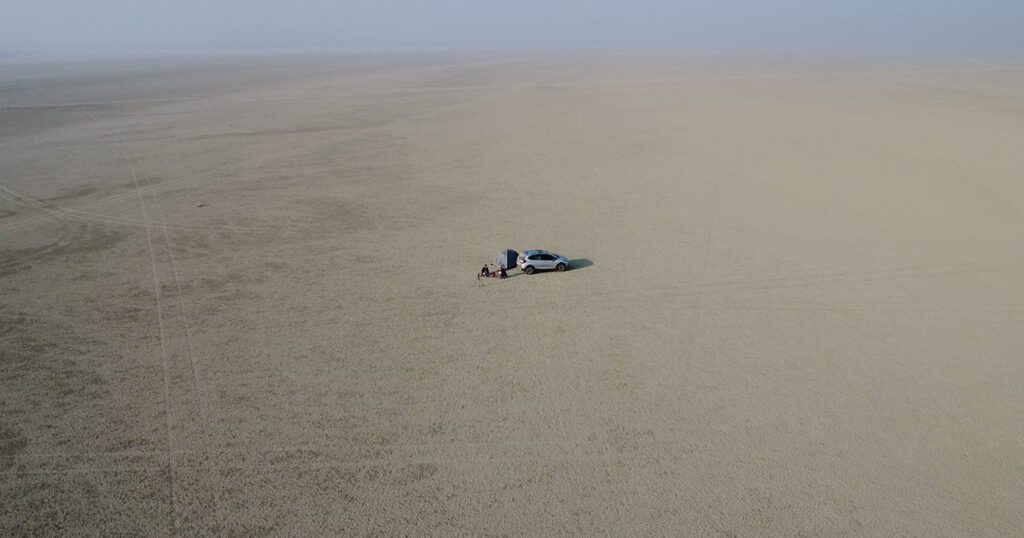
You feel a special kind of peace when you wake up here, right in the middle of Sambhar Lake. Everywhere you look, it’s just open land and quiet. Only your tent, car, and the soft morning wind around. No traffic, no noise, no hurry. Just the sound of the ground under your feet and a hot cup of chai with your friends.
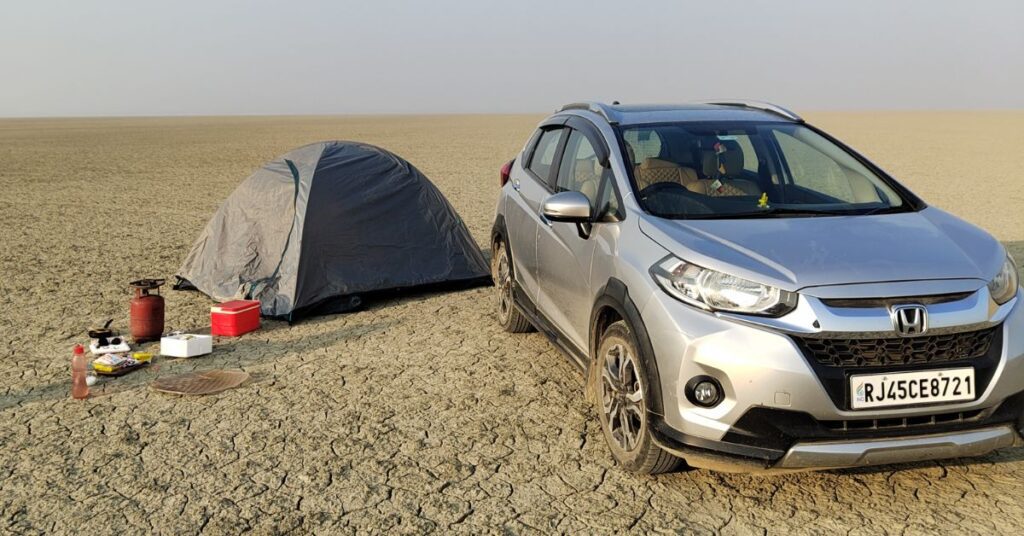
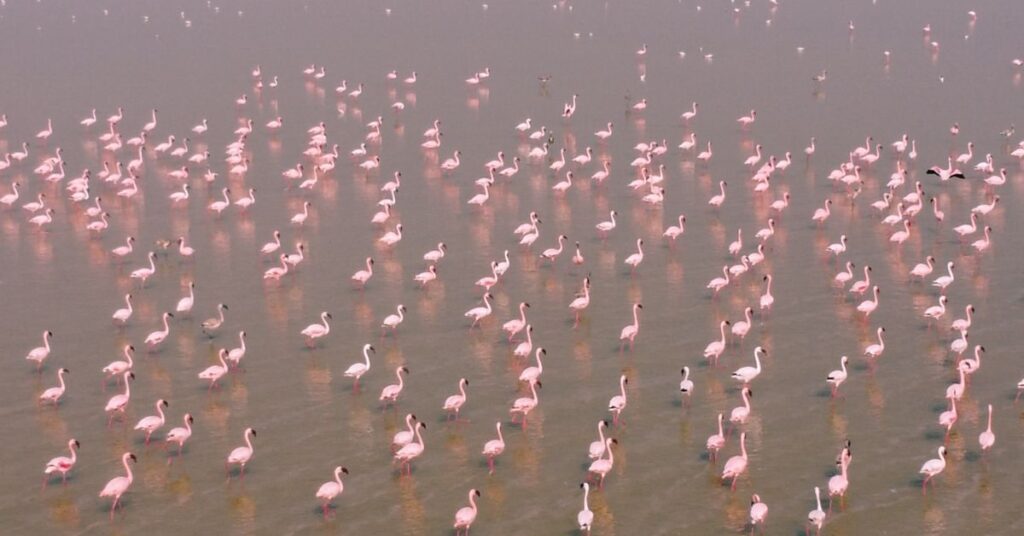
As the sun slowly comes up, the whole place shines like gold. You sit and watch, feeling calm and happy. If you are lucky, you might see some flamingos far away, standing and moving gently near the lake. It’s simple, real, and beautiful. A morning you will always remember.
Sambhar Festival: Activities, Cultural Events, and Tourism at Sambhar Lake
The Sambhar Festival is a thoughtfully planned cultural and tourism initiative held at Sambhar Lake, created to highlight the lake’s natural beauty while promoting responsible tourism in Rajasthan.
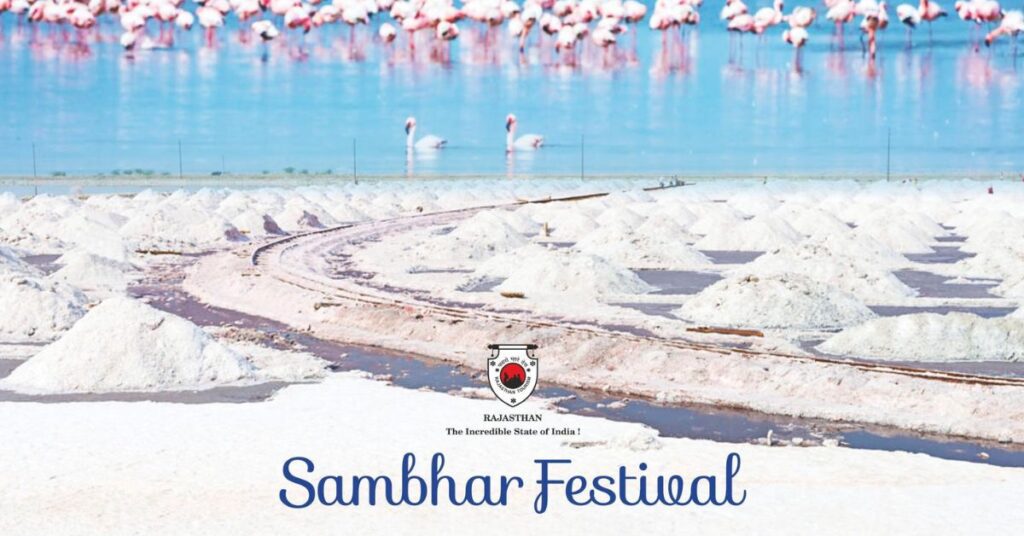
During the festival, visitors can enjoy bird watching, especially the sight of migratory flamingos, along with open-sky activities like kite flying and adventure experiences such as paragliding, which offer a unique view of the vast salt flats.
The festival also features traditional Rajasthani folk music and dance performances, local handicrafts, and regional food that reflect the cultural richness of the region. Through this event, the state government actively works to increase tourism, support local livelihoods, and draw attention to Sambhar Lake as an important ecological and cultural destination, offering travellers a meaningful blend of nature, culture, and soft adventure.
A View That Everyone Can Appreciate
Sambhar Lake in winter offers something special for everyone. The contrast of white salt flats, calm water, and soft pink flamingos creates a scene that feels unreal.
You don’t need to be a bird expert to enjoy this place. Whether you love photography, nature, or simply sitting quietly and observing the world, Sambhar Lake welcomes you.
If you are planning a trip to Rajasthan, do not miss this hidden wonder. And while enjoying its beauty, remember that Sambhar Lake is fragile. Protecting it means ensuring that flamingos continue to return here year after year.
If you enjoyed reading this, explore our other stories where we share India’s quiet places, hidden landscapes, and moments that often go unnoticed. Click here to explore!